
Introduction
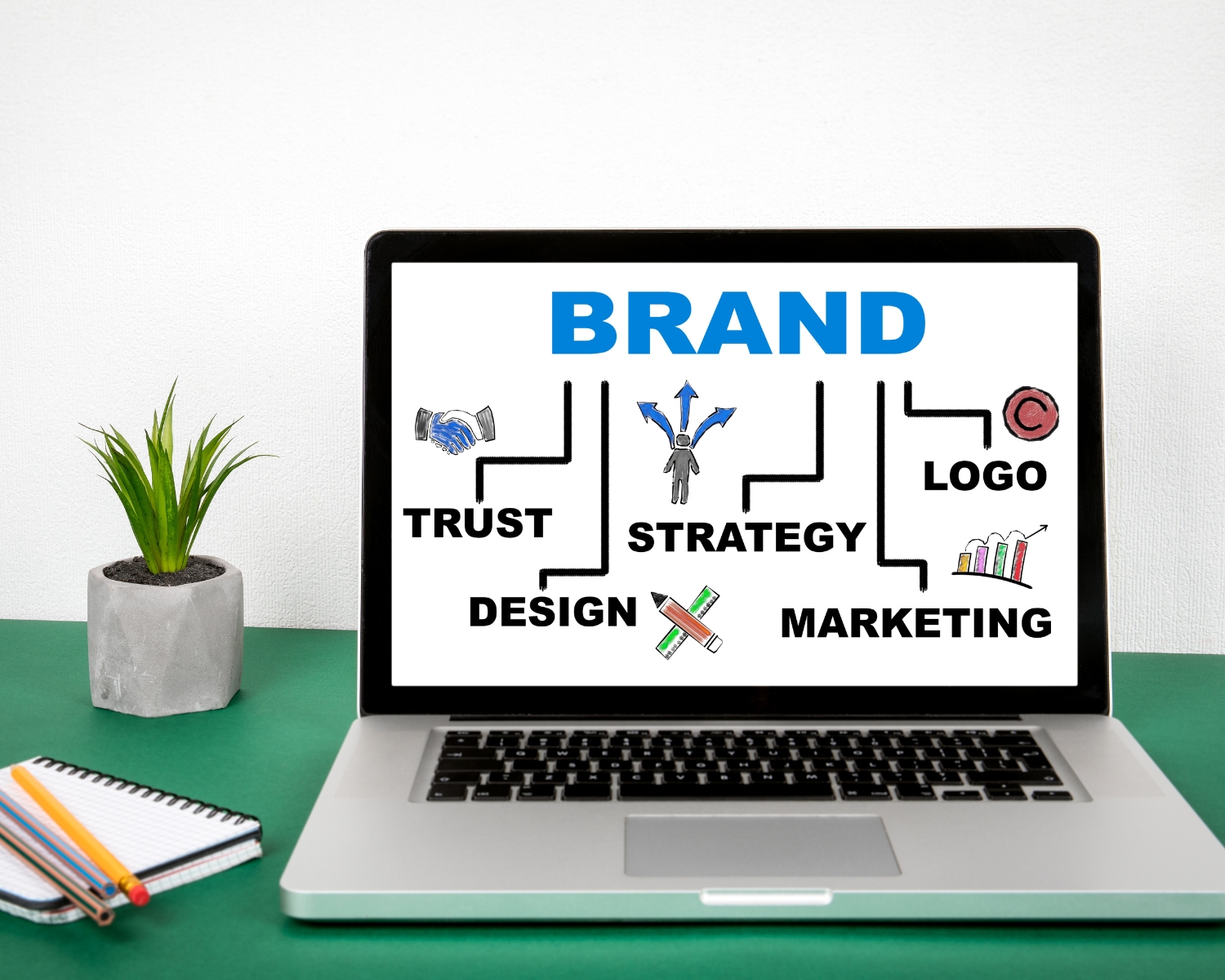
This blog highlights the significance of professional design in establishing and maintaining a strong brand identity, which is crucial in today’s competitive market, as it captures the essence of a brand and communicates its values to consumers.
The Role of Professional Design in Branding
Establishing a First Impression
The first interaction a potential customer has with a brand often involves elements of design. This could be a website, a product label, or an advertisement. Professional design ensures that this first impression is positive and impactful, setting the groundwork for all future interactions.
Communicating Brand Values
Design transcends aesthetics; it’s a communication tool. A well-thought-out design conveys the company’s values, mission, and what it stands for. For example, a brand focusing on sustainability might use clean, green, and earthy design elements to communicate its commitment to the environment.
Building Brand Recognition
Consistency in design across all channels helps build brand recognition. This consistency ensures that customers can instantly recognize the brand, whether they see a billboard, visit the website, or spot a product on a shelf. Professional design creates a cohesive look that becomes synonymous with the brand.
Differentiating from Competitors
In crowded markets, standing out is crucial. Professional design not only differentiates a brand from its competitors but can also highlight its unique selling points. Effective design can turn generic products or services into distinctive and recognizable brands.
Fostering Customer Loyalty
Strong design can evoke emotions and forge a deeper connection with customers. When customers feel aligned with a brand’s identity and values, as communicated through its design, they are more likely to develop loyalty. This loyalty translates into repeat business and brand advocacy.
Benefits of Investing in Professional Design
Enhanced Credibility
A professional design enhances a brand’s credibility. High-quality, consistent design across all customer touchpoints suggests professionalism and reliability, encouraging trust in the brand.
Improved User Experience
Good design improves the user experience on digital platforms like websites and apps. A well-designed website that is easy to navigate and visually appealing can significantly enhance user satisfaction and increase conversions.
Effective Communication
Design is not just what it looks like but also how it works. Professional designers know how to use visual elements to communicate complex information in an intuitive and accessible way. This skill is invaluable in marketing campaigns, instructional materials, and even internal communications.
Strategic Differentiation
Professional designers can leverage design trends and innovations to keep a brand relevant and competitive. They can strategically refresh a brand’s image to appeal to new demographics or adapt to changing market conditions without losing its core identity.
Conclusion
Design is a strategic tool in branding, defining a brand’s identity and market position. Professional design is a long-term investment, fostering customer loyalty and maintaining a strong, consistent brand identity, ultimately benefiting the business.
#BrandIdentity #ProfessionalDesign #MarketingStrategy #CorporateBranding #DesignImportance